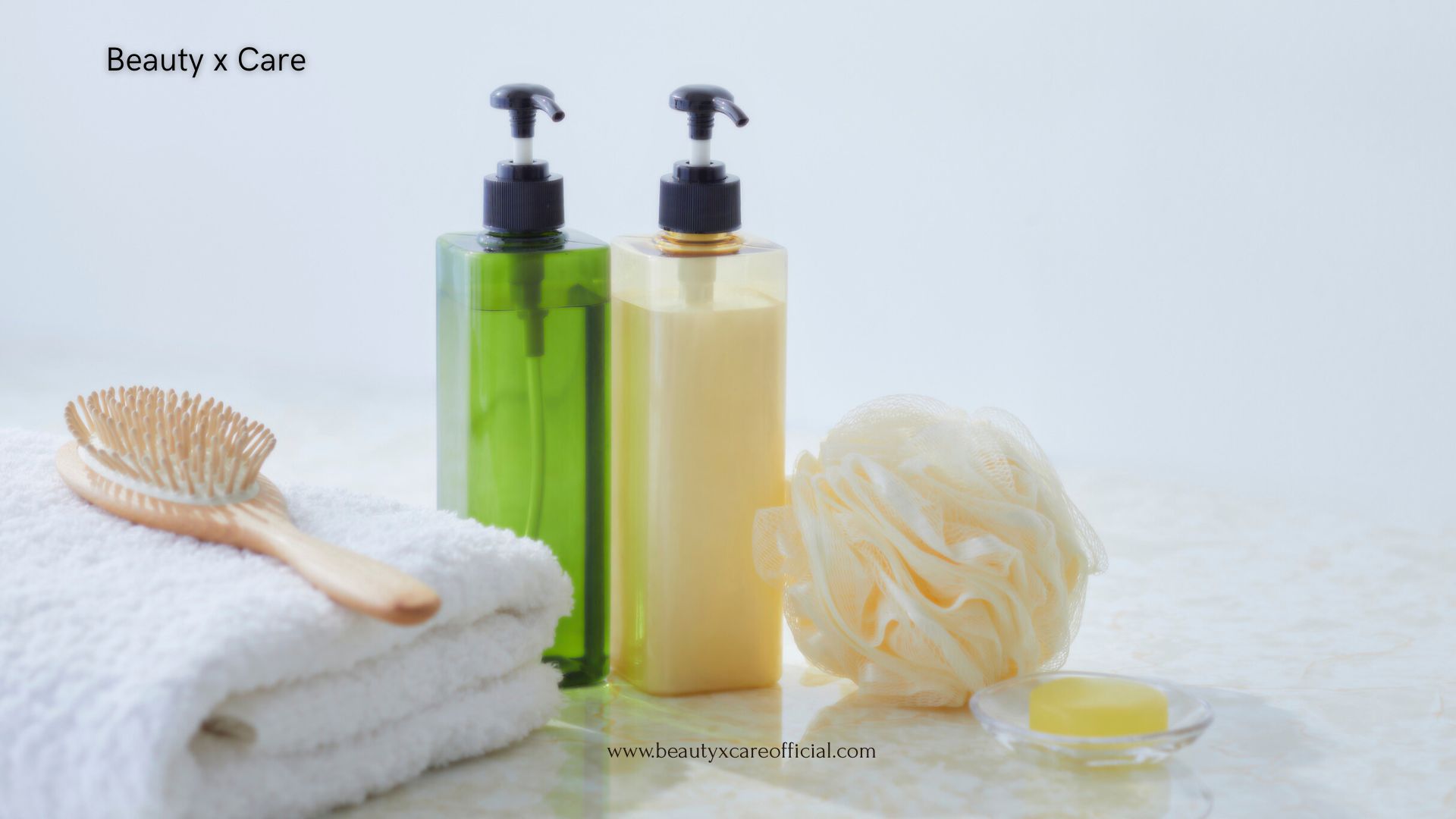
Let’s be real — trying to take care of your hair when you’re just starting out can feel like way too much. One article tells you to wash it every day, the next one says shampoo is ruining your life. There are shelves full of products, routines that go on forever, and somehow none of it seems made for you.
If you’ve ever thought, “Why is this so confusing?” — you’re definitely not the only one.
That’s why I put together this guide. It’s for beginners, or honestly anyone who just wants a simple, stress-free way to take care of their hair. No complicated steps, no trendy hacks — just a real routine that actually works and makes your hair feel good.
1. Get to Know Your Hair
Before you start piling on products or following random routines from TikTok, it’s worth taking a moment to really know your hair. You don’t need to be an expert — just tune in a little.
Think about things like:
- Does my hair start looking greasy just a day or two after washing it? Or does it usually feel dry, like it could use some moisture?
- Does my scalp ever get itchy or flaky? Or maybe it leans more oily than dry?
- And what about the texture — is my hair mostly straight, kind of wavy, really curly, super thick, or more on the fine side?
There’s no right or wrong answer here. The goal is to understand your hair’s natural vibe so you can choose stuff that actually works for you — not just what’s trending.
2. Wash Your Hair — But Not Too Much
Here’s the deal: your scalp needs to be clean, but overwashing can make your hair dry and frizzy.
- Oily scalp? Aim for 2–3 times a week with a gentle shampoo.
- Dry scalp? Once or twice a week is plenty, using something moisturizing.
- Curly or textured hair? You might want to skip shampoo altogether sometimes and co-wash instead (aka washing with conditioner).
Look for sulfate-free shampoos — they’re less harsh and don’t strip your natural oils.
3. Conditioner Is Non-Negotiable
Even if you’re rushing out the door, try not to skip conditioner — it might seem small, but it makes a big difference in how your hair feels and behaves.
Start from the mid-length down to the ends (your scalp doesn’t need it), and leave it on for a few minutes before rinsing.
Bonus tip: detangle your hair in the shower with a wide-tooth comb while the conditioner is in. Total game-changer.
4. Treat Your Hair with hair mask
Think of this as self-care for your hair. It doesn’t have to be fancy — even a quick DIY mask with coconut oil or honey once a week helps.
DIY Idea:
Mix 1–2 tablespoons of coconut oil with a spoonful of honey. Warm it slightly and apply it to damp hair. Leave it for 20 minutes, then rinse it out (twice if needed).
To keep things easy, here’s a simple weekly routine you can follow without overthinking it.
| Day | Routine | Quick Tip |
|---|---|---|
| Sunday | Oiling Treatment (Pre-shampoo) | Apply oil, leave for 30–60 mins, then shampoo it out. |
| Tuesday | Hair Wash (Shampoo + Conditioner) | Regular gentle wash to keep your scalp fresh. |
| Friday | Hair Mask (After Shampoo) | Shampoo first, apply mask, then rinse with plain water. |
| Saturday | Leave-In Conditioner or Hair Serum | Just hydrate — no need to wash or do anything fancy. |
5. Be Gentle When Drying
How you dry your hair matters. Rubbing it with a towel? Not great. Wrapping it up in a tight turban? Also not ideal.
Instead, pat your hair dry with a microfiber towel or an old t-shirt. It’s gentler and cuts down on frizz.
If you use a blow dryer, keep it on low to medium heat and always — always — use heat protectant spray.
Struggling With Oily Skin? Start Here
Oily skin can be frustrating, but a good routine makes all the difference. This beginner-friendly guide walks you through exactly what to use — and what to avoid — for shine-free, balanced skin.
Read More →6. Style Smarter, Not Harder
We all love a good blowout or flat-ironed look, but heat styling every day will slowly wreck your hair.
Here’s what helps:
- Limit heat tools to once or twice a week
- Use a heat protectant spray (non-negotiable!)
- Try hairstyles that don’t require heat (buns, braids, twist-outs)
- Sleeping on a satin or silk pillowcase also helps cut down on breakage and frizz — and it feels fancy, too.
7. Trim a Little, Love a Lot
You don’t need to chop off all your hair every time you visit the salon, but regular trims (every 2–3 months) help prevent split ends from getting worse.
You’ll notice your hair looks and feels better — even if you barely lose any length.
8. Eat for Healthy Hair
You can’t out-condition a poor diet. Hair needs nutrients, just like the rest of your body.
Focus on foods that support hair growth:
- Protein: eggs, beans, tofu, lean meat
- Healthy fats: avocados, nuts, seeds
- Vitamins: leafy greens, berries, sweet potatoes
- And don’t forget to drink water. Dehydration = dry hair.
Summary
You don’t need a shelf full of expensive products or a 10-step routine. If you just:
- Wash when your hair when actually needs it
- Use a good conditioner
- Deep treat once a week
- Protect it from heat
- Eat halfway decent you’ll see real results. Not overnight, but sooner than you think.
Consistency Beats Perfection
FAQs
Don’t stress it too much. Just take a moment to think about what your hair’s actually like. Is it always greasy? Super dry? Kinda curly? Once you’ve got that down, choosing products gets way easier. I used to just grab whatever was on sale, and... yeah, that never worked. Save yourself the guesswork and get stuff that actually matches your hair type. It really makes a difference.
Short answer? Not every day. Most folks are fine washing 2–3 times a week. If you wash too often, you might strip away the oils your scalp actually needs — I learned that the hard way. Now, if your scalp gets oily fast, you might need to wash a little more often. But if your hair’s on the dry side, less is definitely better. Your hair will chill out, I swear.
Okay, so don’t just slap it all over your head — focus on the ends. That’s the driest part of your hair. I usually leave it in for a minute or two (longer if I’m feeling fancy), then rinse it out. Super simple. Just don’t skip it, even if you’re in a rush. Your hair will feel way softer — promise.
That is hair-specific. If you have fine hair, then regular conditioner should suffice for you. Thick and curly hair would benefit from leave-in conditioner as it provides additional moisture and control against frizz. It's really about what you want for your hair type.
Every day heating tools can damage hair in the long run, so when you do heat-style it, please protect it with a heat protectant spray or serum. I'd say in moderation for safety, a little now and then will not really hurt.
The basic principle behind hair growth is the health of the scalp: keeping it clean and nourished. Get a balanced diet with vitamins and nourishment, do not over-style, and schedule a trim now and then to prevent breakage. Healthy hair means strong hair!
For sure! These oils can really help with moisture and shine: argan oil, coconut oil, or even jojoba oil. Just don't overdo it; a tiny bit really goes a long way with fine hair. It's great for imparting softness and diminish frizz.
An itchy or flaky scalp can mean several things: perhaps it's dry, or maybe the product buildup is responsible. Try a mild shampoo, or maybe a scalp treatment to calm it. Something like tea tree oil or aloe vera could be wonderful for soothing it.
Okay, first off — don’t stress it. You seriously don’t need a 10-step routine. Just get a decent shampoo and conditioner that kinda fits your hair (dry, oily, whatever), and maybe grab a deep conditioning mask to use once a week. That’s it. I used to overthink it too — turns out, less is more. Also… yeah, conditioner’s important. Even if you’re in a rush. Trust me, skipping it makes things worse.
Ugh, I feel you. Frizz is the worst. Usually it means your hair's super dry and just... needs a drink. Try a good moisturizing conditioner, or even a leave-in. I sometimes use a serum too when it’s extra bad. Oh — and maybe cool it on the heat tools? I used to straighten mine all the time and it made things worse. Big regret.
It’s powerful stuff. I use it like once, maaaybe twice a month when my hair feels gross from too many products. Don’t overdo it though — it can seriously dry your hair out. Been there, done that, not cute.
Yep, that’s a thing! Some people call it “co-washing.” If your hair’s curly or dry, it might actually love that. But if your scalp gets greasy fast? Might not be the move. I’ve tried it both ways — just depends on your hair. It’s kinda trial and error.
Your hair will tell you. If it’s feeling heavy, flat, or weirdly sticky, yeah… you probably went overboard. I always start with the tiniest bit now — you can always add more, but once it’s too much? It’s hard to fix without re-washing.
Honestly? Probably product buildup or heavy conditioners. Try switching to something lighter and maybe use a clarifying shampoo (but like, not every day). Also — dry shampoo or texture spray? Total lifesavers for volume. Especially on lazy hair days.
For real, yes. What you eat totally shows in your hair. Stuff like eggs, spinach, nuts, and salmon are amazing for strength and shine. I started eating a little healthier and noticed my hair felt stronger — not overnight, but over a few months? Big difference. Oh, and drink water. I know, everyone says it — but seriously.