
Dealing with oily skin is not easy, right? You wash your face in the morning, and just a few hours later, it looks shiny again. The truth is, many of us don’t realize that some small morning habits actually make oily skin worse. If you’re struggling with excess shine, breakouts, or greasy-looking skin, maybe you’re making one of these mistakes without even noticing.
Let’s go through the most common morning mistakes (and how to fix them).
1. Washing Your Face Too Harshly
Many people think scrubbing hard will “remove” oil, but it usually does the opposite. Over-washing or using strong cleansers strips your skin’s natural moisture, so your skin panics and produces even more oil. Stick to a gentle foaming or gel cleanser that cleans but doesn’t dry out your face
2. Skipping Moisturizer
This is one of the biggest myths: “I have oily skin so I don’t need moisturizer.” Wrong. If you skip moisturizer, your skin tries to hydrate itself by making extra oil. The key is using a lightweight, oil-free moisturizer that balances hydration without greasiness
3. Using Hot Water on Your Face
I know hot water feels relaxing, but it’s not good for oily skin. Hot water strips away natural oils and irritates the skin barrier, making it more sensitive and oily later. Always wash your face with lukewarm water.

4. Applying Heavy Creams or Oils in the Morning
Heavy products might feel “nourishing,” but for oily skin, they block pores and make your face look shinier faster. Save rich creams for nighttime if you really need them, and in the morning, go for lighter formulas.
5. Not Washing Pillowcases and Towels
Think about it—your face spends hours on a pillowcase that collects oil, sweat, and bacteria. If you’re not changing it often, all that dirt transfers back to your skin every morning. Same goes for face towels. Wash them regularly, especially if you have oily skin.
6. Skipping Sunscreen
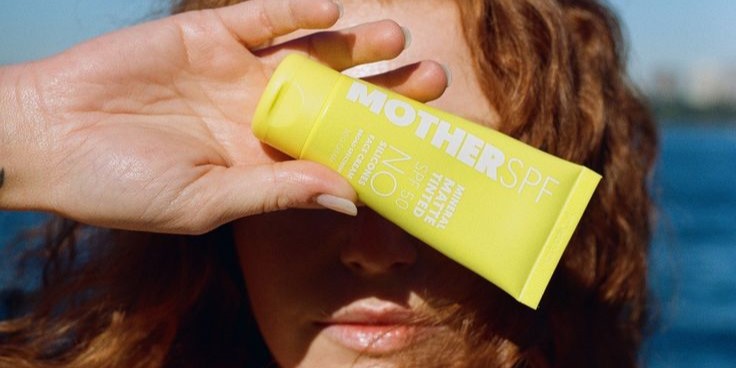
A lot of people with oily skin avoid sunscreen because they think it makes skin greasy. But skipping it is a mistake because UV damage actually worsens oiliness and breakouts over time. The trick is to choose a gel-based, non-comedogenic sunscreen.
7. Overusing Toners or Astringents
Strong toners that sting might feel like they’re “working,” but most of the time they dry out your skin too much. And guess what? Dryness = more oil later. Use a gentle toner (if at all) with calming ingredients instead of alcohol-heavy ones.
8. Heavy Makeup Early in the Day
Wearing a full face of heavy foundation first thing in the morning isn’t the best idea if you have oily skin. By midday, your face will usually start looking greasy and shiny. A better option is to stick with something light, like a BB cream or a bit of powder, just enough to even out your skin. Save the heavy makeup for parties or special events and let your skin breathe during the day

9. Skipping Breakfast or Eating Sugary Foods
You might not connect food with oily skin, but it matters. Skipping breakfast or eating sugary cereals, pastries, or fried stuff first thing in the morning can trigger excess oil production. A balanced breakfast (like oats, eggs, or fruit) keeps hormones and oil levels steadier.
10. Not Having a Consistent Routine
Sometimes we follow skincare for 2 days and then stop. Inconsistency confuses your skin. Oily skin especially needs a stable routine—cleanser, lightweight moisturizer, and sunscreen every morning. Consistency is honestly more important than trying new products every week.
Conclusion
Oily skin isn’t a curse—it just needs the right care. Avoiding these common mistakes will help you manage shine, reduce breakouts, and keep your face fresh throughout the day. Remember, small changes in your morning habits can make a huge difference over time.